



 by
by 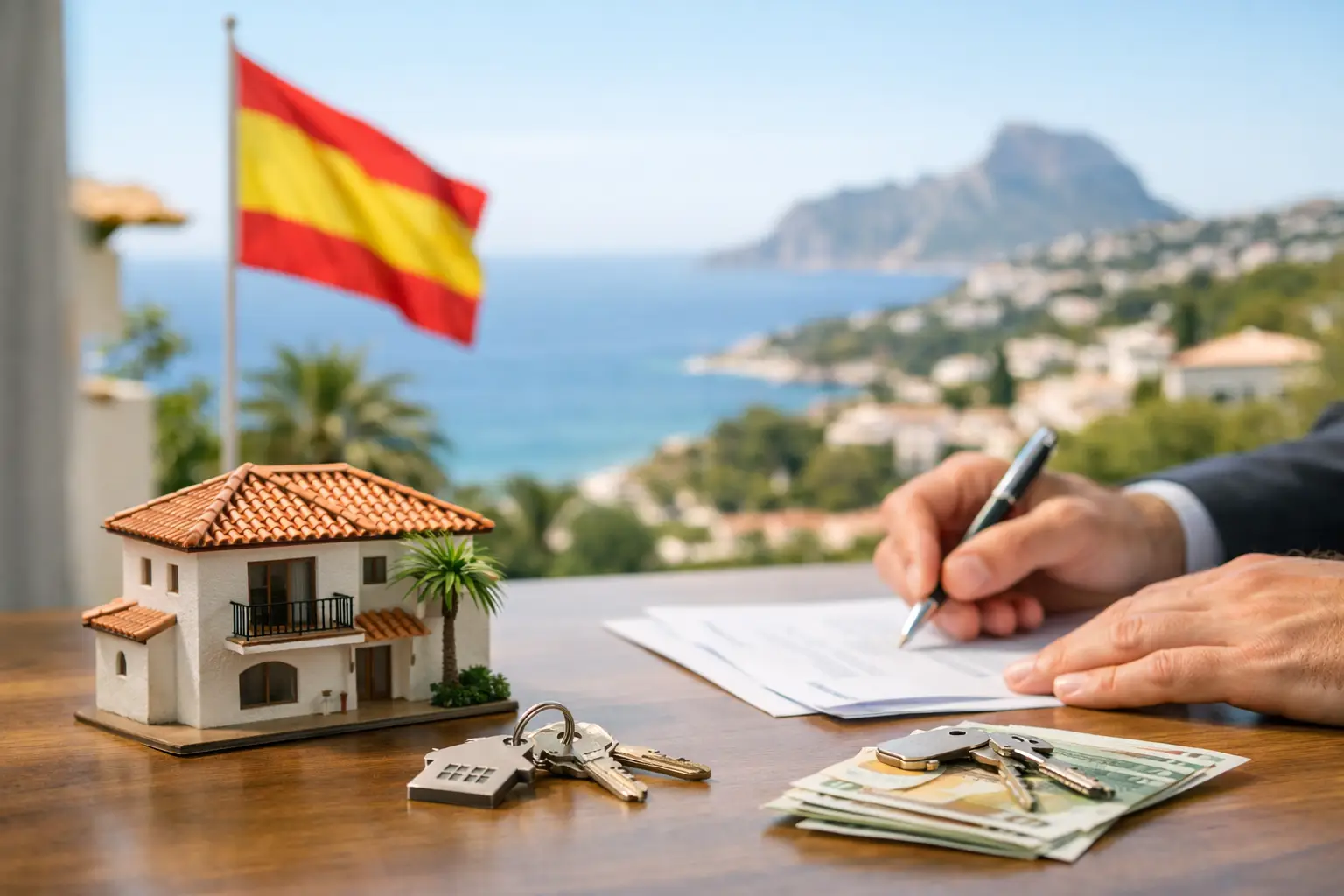
Buying a home abroad is exciting right up until the paperwork starts. If you are researching how to buy property in Spain, the process is usually straightforward when it is handled properly, but the order of steps matters. A good property can be lost through delay, while a rushed purchase can create legal or financial problems that are expensive to fix later.
For most international buyers, the real challenge is not finding a villa, flat or plot they like. It is understanding what to check, when to commit, and which costs sit outside the agreed sale price. Spain offers excellent opportunities for lifestyle buyers and investors, especially in established coastal markets, but the right purchase depends on careful preparation rather than speed alone.
How to buy property in Spain step by step
The first step is setting a realistic budget. This means more than deciding on a purchase price. You also need to account for purchase taxes, notary fees, land registry costs, legal fees and, where relevant, mortgage costs. As a rule, buyers should allow additional funds on top of the agreed price, although the exact percentage will depend on whether the property is resale or new build, and on the region.
At this stage, think about your purpose for buying. A holiday home, a full-time residence and a pure investment purchase should not be assessed in the same way. A property that feels perfect for personal use may not generate the rental demand or resale profile an investor wants. Equally, a strong-yield property may not suit a family planning long stays or eventual relocation.
Once your budget is clear, arrange your finances before you begin serious negotiations. Cash buyers should be ready to show proof of funds. If you need finance, speak to a mortgage broker or lender early so you understand your borrowing position and likely conditions. International buyers can obtain mortgages in Spain, but terms vary according to residency status, income structure and the property itself.
Choose the right area before the right property
Many buyers start with photos and finish by discovering they chose the wrong location. In Spain, micro-location matters. Two homes with similar prices can perform very differently depending on access, orientation, local amenities, seasonal demand and future planning around the area.
On the Costa Blanca, for example, a buyer looking for year-round living may prioritise services, healthcare, schools and easy road access, while a buyer focused on holiday use may care more about sea views, proximity to the beach and lock-up-and-leave convenience. In places such as Altea, Calpe, Moraira, Benissa and Javea, these differences can be significant even within the same town.
This is why viewings should be used to assess the wider setting as much as the house itself. Visit at different times of day if possible. Check parking, noise levels, gradients, road access and nearby construction. If the property is part of an urbanisation or block, ask about community fees and how well shared areas are maintained.
New build or resale?
This choice affects the buying process. Resale properties often give you established locations, mature neighbourhoods and a clear picture of what you are buying. The trade-off is that you may need refurbishment, and legal checks on past alterations become especially important.
New builds can offer better energy efficiency, modern layouts and lower maintenance in the early years. However, they involve stage payments, stricter contract review and close attention to delivery dates, specifications and guarantees. Not every buyer wants the same thing, so the better option depends on your priorities rather than general rules.
The legal checks that protect you
If you want to know how to buy property in Spain safely, legal due diligence is the non-negotiable part. Before signing anything important, appoint an independent lawyer who works for you. This is particularly important for overseas buyers unfamiliar with Spanish property law and local administration.
Your lawyer should verify ownership, check the property is correctly registered, confirm whether there are debts or charges attached to it, and review planning status. They should also check whether any extensions, pools, terraces or outbuildings are legal and properly recorded. In rustic or rural properties, this becomes even more important because planning restrictions can be more complex.
For community properties such as flats and some townhouses, there should also be checks on community debt, rules and any known major works. A low purchase price can look less attractive if the building needs substantial repairs that will be passed on to owners.
You will also need an NIE number, which is the foreigner identification number used for many official and financial transactions in Spain. It is best to arrange this early, as it is required for completion and often needed for practical steps such as opening a Spanish bank account.
Reservation, contracts and deposits
Once you have found the right property and agreed terms, the usual next step is signing a reservation agreement and paying a reservation deposit. This takes the property off the market for an agreed period while legal checks and contract preparation continue.
After that comes the private purchase contract. This sets out the agreed price, payment structure, completion date and any conditions attached to the sale. At this point, a larger deposit is normally paid. Buyers should not treat this as a routine formality. The contract needs to reflect what has actually been agreed, including furniture, fixtures, completion timing and any special conditions.
This is also the point where cross-border communication matters. Misunderstandings often happen when buyers assume a verbal agreement will automatically appear in the contract. It may not. Clear written confirmation protects both sides.
How long does the process take?
A straightforward resale purchase can often move from accepted offer to completion within a few weeks, but timing depends on legal checks, document availability, mortgage approval and the seller’s circumstances. New builds may involve a much longer timeline, especially if the property is off-plan.
Speed is useful only when the file is clean. If there are missing certificates, registration issues or planning questions, delay is often the safer route.
Taxes and costs buyers should expect
One of the most common mistakes is focusing only on the headline purchase price. The total cost of buying in Spain includes taxes and transaction costs that vary according to the property type.
For resale homes, buyers usually pay a transfer tax. For new builds, the tax structure is different and typically includes VAT and stamp duty. You should also budget for notary fees, land registry fees, legal fees and, if applicable, mortgage arrangement costs and valuation fees.
Annual ownership costs matter too. These may include local property tax, rubbish collection charges, non-resident tax where relevant, building insurance and community fees. If your purchase is intended as a holiday home or rental investment, these running costs should be built into your decision from the start, not treated as an afterthought.
Practical points after completion
Completion usually takes place before a notary, where the title deed is signed and the balance of the purchase price is paid. Ownership is then registered in your name. But buying does not end at completion.
You will need utilities transferred, insurance arranged and local taxes set up correctly. If the property will be rented, there may be further administrative requirements depending on location and use. Buyers who are relocating may also need support with schooling, healthcare registration, residency planning or furnishing.
This is where experienced local guidance makes a real difference. A property transaction is not just a legal event. For many buyers, it is also a move into a new system, language and set of practical responsibilities.
Common mistakes when buying in Spain
Most problems come from avoidable decisions rather than the market itself. Buyers sometimes fall in love with a property before checking the total budget, or they sign documents too quickly because they fear losing the deal. Others assume a survey is unnecessary, especially in sunny markets where everything looks well kept on first viewing.
Older properties, country houses and renovated homes deserve particular care. Cosmetic presentation can hide structural wear, drainage issues or unregistered works. Even where a building survey is not legally required, it can still be a sensible safeguard.
Another mistake is choosing advisers based only on convenience. The selling agent, lawyer and mortgage contact each have distinct roles. When those roles are clear and professional, the transaction tends to move more smoothly.
A final word on buying with confidence
Learning how to buy property in Spain is really about reducing uncertainty. The right preparation, proper legal checks and realistic budgeting will protect you far more than trying to move quickly or negotiate aggressively. Whether you are buying a seafront flat, a family villa or an investment property, confidence comes from understanding each stage before you commit. With experienced local support, the process becomes far more manageable and a great deal more enjoyable.
Join The Discussion