



 by
by 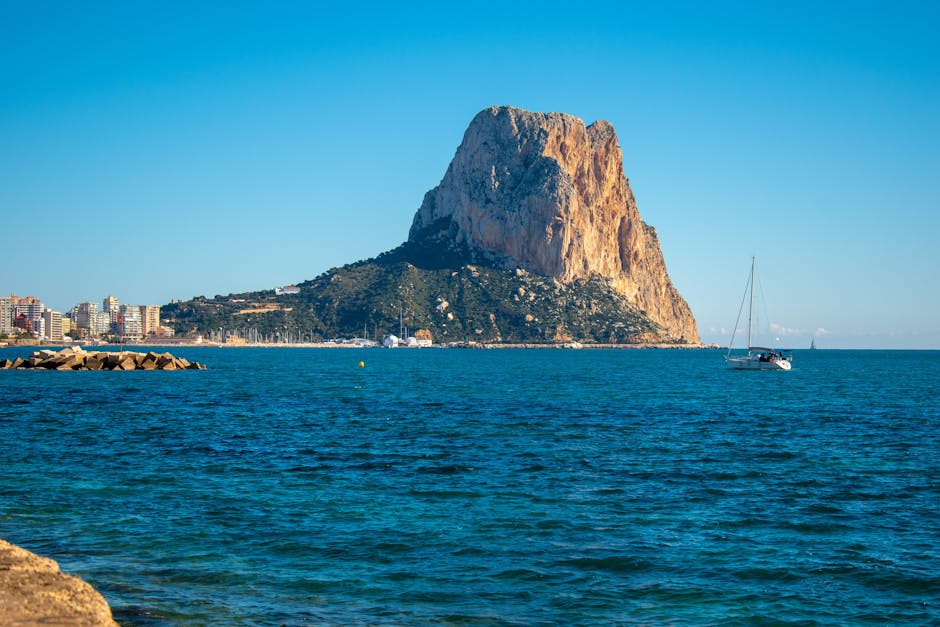
If you are researching Calpe property for sale in 2026, you are likely drawn to its unique blend of coastal living and dramatic mountain scenery. This stretch of the northern Costa Blanca has quietly established itself as one of Spain’s most compelling property markets, offering everything from sleek seafront apartments to sprawling hillside villas. Unlike the transactional listing pages that dominate search results, this guide provides the context, practical advice, and local insight you need before making a decision. We cover the current market landscape, the lifestyle benefits, the legal steps involved in purchasing, and what your budget can realistically achieve this year.
Table of Contents
- Why Buy a Property in Calpe? The Key Benefits for 2026
- Understanding the Calpe Property Market in 2026
- The Buying Process for a Property in Calpe: A Step-by-Step Guide
- Calpe Property Prices in 2026: What to Expect
- Living in Calpe: Lifestyle, Amenities, and Practicalities
- Frequently Asked Questions About Calpe Property
- Conclusion: Is a Calpe Property Right for You?
Why Buy a Property in Calpe? The Key Benefits for 2026
Calpe occupies a privileged position on the Costa Blanca, and its appeal begins with the climate. The town enjoys over 300 days of sunshine annually, with a microclimate partially sheltered by the imposing Rock of Ifach. Summers are hot but tempered by sea breezes, while winters remain mild enough for outdoor living to continue year-round. This translates into a lifestyle built around al fresco dining, morning swims, and long coastal walks, a rhythm that attracts buyers from across Northern Europe.

The natural environment is the town’s greatest asset. The Rock of Ifach Natural Park rises 332 metres from the Mediterranean, offering hiking trails and panoramic views that stretch as far as Ibiza on a clear day. Below it, the salt flats of Las Salinas provide a habitat for flamingos and other birdlife, adding an unexpected layer of tranquillity to the coastal landscape. Calpe’s two main beaches serve different moods: Playa de la Fossa, also known as Levante, is the livelier stretch with a promenade lined with restaurants and bars, while Playa Arenal-Bol offers a wider sweep of golden sand and a more family-oriented atmosphere. The old town, with its narrow streets and traditional tapas bars, sits alongside a working fishing port where the daily catch still arrives each afternoon.
The community here strikes a rare balance. An established international population means English, Dutch, German and French speaking services, from lawyers to healthcare providers, are readily available. Yet Calpe has not surrendered its Spanish character. Local fiestas fill the streets, the fish auction remains a daily ritual, and the town feels lived-in rather than purely transactional. For investors, the Costa Blanca market has demonstrated resilience through economic cycles, with the luxury villa segment showing particularly steady demand. While no property purchase is without risk, the combination of limited coastal land and enduring lifestyle appeal supports the case for long-term capital appreciation.
Understanding the Calpe Property Market in 2026
The Calpe property market in 2026 presents a broad spectrum of options, with prices reflecting location, views, and build quality. Entry-level apartments in the town centre start around €250,000, while luxury frontline villas routinely exceed €1,000,000 and can reach beyond €4,000,000 for exceptional positions. The volume of available properties remains healthy, with aggregated portals listing over 6,000 homes across the wider area, giving buyers considerable choice.
Apartments and Townhouses
For those entering the market, apartments and townhouses represent the most accessible route. Town-centre flats, often within walking distance of amenities and the beach, typically range from two to three bedrooms. Many are part of urbanisations with communal pools, landscaped gardens, and secure parking. Modern new-build developments have pushed standards higher in recent years, with open-plan layouts, energy-efficient glazing, and rooftop terraces becoming the norm. Townhouses offer a middle ground, frequently providing more square footage, private outdoor space, and sometimes a small garden or solarium, with prices generally falling between €300,000 and €600,000.
Villas and Luxury Homes
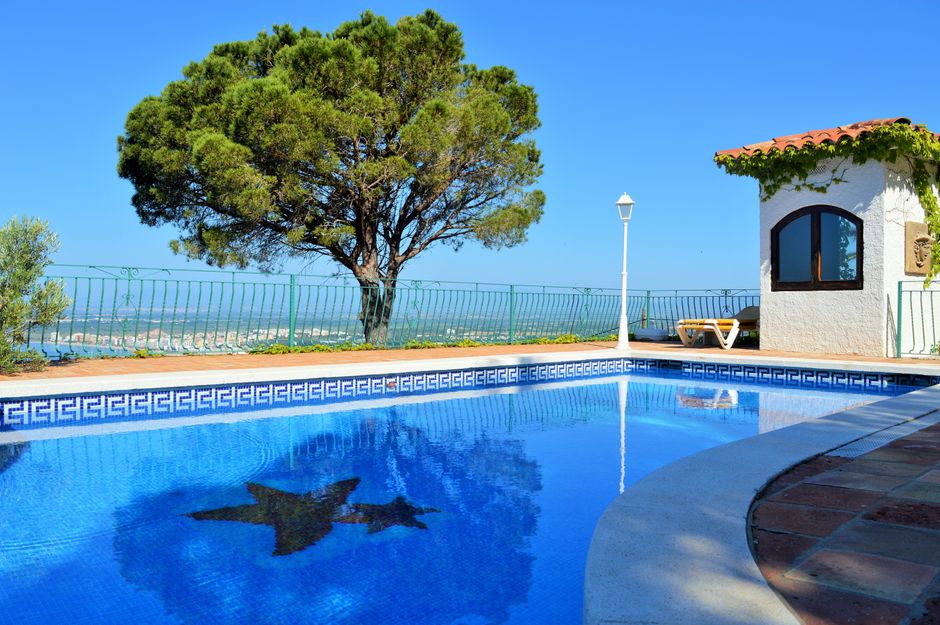
The villa market defines much of Calpe’s property identity. Frontline beach villas along the La Fossa strip command the highest premiums, offering direct sea access and unobstructed views of the Rock of Ifach. Hillside properties in areas like Maryvilla and Oltamar trade beach proximity for elevation, delivering sweeping coastal panoramas and greater privacy. Detached homes with private pools, mature gardens, and multiple terraces start around €500,000 for a resale property needing some modernisation, while fully renovated or newly built villas with high-spec finishes begin closer to €800,000. The luxury segment, characterised by infinity pools, home automation, and designer interiors, starts at approximately €1,200,000.
New Builds vs. Resale
A notable trend in 2026 is the premium attached to new-build properties. Stricter energy efficiency regulations have raised construction standards, and buyers are increasingly valuing the lower running costs and reduced maintenance that come with a modern home. New developments also tend to offer the clean lines and indoor-outdoor flow that contemporary buyers expect. Resale properties, however, retain their appeal for those seeking character, larger plots, or established gardens. An older villa in a prime location can represent excellent value, provided you budget for renovation work. The key areas to consider include the quieter old town for authenticity, the bustling beachfront of La Fossa for convenience, and the residential hillsides for space and views.
The Buying Process for a Property in Calpe: A Step-by-Step Guide
Purchasing property in Spain follows a structured process, and understanding it in advance will save you time, money, and stress. The steps below apply equally to UK buyers post-Brexit, as there are no restrictions on non-EU nationals acquiring Spanish real estate.
Step 1: Secure Your Finances and NIE Number
Before viewing properties, obtain your Número de Identificación de Extranjero, the foreigner’s identification number required for all financial transactions in Spain. You can apply through a Spanish consulate in the UK or via a local representative in Spain. Simultaneously, approach a Spanish bank or mortgage broker to secure pre-approval. Non-resident buyers can typically borrow up to 60 to 70 percent of the property’s valuation, though terms vary by lender. Engaging a currency exchange specialist to handle sterling-to-euro transfers can protect you from rate fluctuations and reduce costs compared to high-street bank rates.
Step 2: Find a Property and Make an Offer
Once you have identified a property, instruct an independent lawyer, known locally as an abogado, who works exclusively for you and not for the estate agent or developer. Their role is to protect your interests throughout the transaction. When you are ready to proceed, you will pay a reserva, a reservation deposit that takes the property off the market while legal checks are conducted. This is typically a small sum, often around €3,000 to €6,000, and is refundable if the checks uncover serious issues.
Step 3: Legal Checks and the Private Purchase Contract
Your lawyer will conduct due diligence on the property, verifying that there are no outstanding debts attached to it, such as unpaid community fees or IBI (council tax). They will confirm that all planning permissions and building licences are in order, a critical step given Spain’s history of illegal construction on some coastal plots. Once satisfied, both parties sign the Contrato de Arras, a private purchase contract that commits the buyer and seller to the sale. At this stage, you will pay a deposit, typically 10 percent of the purchase price. If you withdraw, you lose this deposit; if the seller withdraws, they must return double the amount.
Step 4: Completion and Taxes
Completion takes place before a notary, who witnesses the signing of the Escritura de Compraventa, the public deed of sale. The balance of the purchase price is paid, and keys are handed over. Buyers must budget for additional costs beyond the property price. On resale properties, the Valencia region applies a transfer tax (ITP) of 10 percent. On new builds, VAT (IVA) is charged at 10 percent, plus a stamp duty (AJD) of 1.5 percent. Legal and notary fees typically add another 1 to 2 percent. The Plusvalía, a local tax on the increase in land value since the seller’s purchase, is technically the seller’s responsibility but is sometimes negotiated.
Step 5: Registering the Property and Utilities
After completion, your lawyer registers the deed at the local Property Registry, confirming your legal ownership. You will also need to switch utility contracts for water, electricity, and gas into your name, and set up direct debits for ongoing bills. Your lawyer can assist with these administrative steps, ensuring a clean handover.
Calpe Property Prices in 2026: What to Expect
Property prices in Calpe vary considerably by location, type, and condition, but a realistic framework helps set expectations. Average prices per square metre range from approximately €2,500 to €4,000 for a well-located apartment, while villas with sea views typically command between €3,500 and €6,000 per square metre. These figures are indicative, and exceptional positions or finishes can push prices higher.
A practical price ladder for 2026 looks like this. A studio or one-bedroom apartment in Calpe starts between €150,000 and €250,000. Two- and three-bedroom apartments in good condition range from €250,000 to €450,000. Townhouses with private outdoor space sit between €300,000 and €600,000. A standard detached villa with a pool begins around €500,000 and can reach €1,200,000 depending on location and quality. Luxury frontline villas with premium finishes start at €1,200,000 and climb significantly from there.
Market trends in 2026 point to stabilising prices after the sharp increases of the post-pandemic period. Demand from Northern European buyers remains consistent, and the limited supply of coastal land continues to underpin values. New builds are commanding a noticeable premium, driven by higher construction standards and energy performance certificates that appeal to environmentally conscious buyers and those seeking lower long-term running costs.
Living in Calpe: Lifestyle, Amenities, and Practicalities
Daily life in Calpe revolves around the sea. The two main beaches cater to sunbathers and families, while the marina provides moorings for sailing boats and access to diving schools and water sports operators. The Rock of Ifach Natural Park offers a challenging but rewarding hike, with permits required during peak periods to manage visitor numbers.
The dining scene punches above its weight. The daily fish auction at the port supplies local restaurants with fresh seafood, and Calpe boasts several Michelin-starred establishments alongside unpretentious beachfront chiringuitos. The annual calendar includes the Moors and Christians festival, a colourful re-enactment of historical battles, and the San Juan celebrations in June, when bonfires light the beaches.
Transport links are straightforward. Alicante-Elche Airport lies approximately 80 kilometres to the south, with Valencia Airport around 130 kilometres to the north, both reachable via the AP-7 motorway. A local bus network connects the main residential areas, though most residents prefer a car for day-to-day convenience. Healthcare provision includes both public and private options, with the Spanish public system accessible to foreign residents meeting conditions. Several international schools serve the area, making Calpe a viable option for families relocating with children.
Frequently Asked Questions About Calpe Property
Can a non-EU citizen buy a property in Calpe?
Yes, there are no restrictions on non-EU nationals buying property in Spain. The process is the same as for any other foreign buyer, and thousands of British and other non EU citizens have purchased successfully.
What are the annual running costs for a property in Calpe?
Budget for IBI (council tax), community fees if you own an apartment or a property within an urbanisation, and rubbish collection charges. A typical apartment might incur annual costs between €1,500 and €3,000, while a villa with a private pool will be higher due to maintenance and utility expenses.
Is Calpe a safe place to live?
Yes, Calpe is considered a very safe town with a low crime rate, consistent with the broader Costa Blanca region. The community is stable, and the town feels secure both during the day and at night.
Conclusion: Is a Calpe Property Right for You?
Calpe offers a rare combination: a stunning natural setting, a genuine Spanish community, and a property market with options spanning from affordable apartments to world-class villas. The infrastructure for foreign buyers is well established, with English-speaking professionals available at every stage of the process. Whether you are seeking a holiday home, a permanent relocation, or a long-term investment, the town’s enduring appeal and the healthy market conditions of 2026 make it a destination worth serious consideration. Use the insights in this guide to begin your search with clarity, and when you are ready, explore current listings or speak with a recommended local lawyer to take the next step with confidence.

Join The Discussion